What Is The Difference Between An Ultrasonic Vibrating Sieve And A Rotary Vibrating Sieve?
Mar 19, 2026
1. Different Working Principles
A rotary vibrating sieve generates vibration through a vertical vibration motor fixed in the base. The motor is equipped with eccentric weights at both the top and bottom, converting the rotational motion into a three-dimensional movement (horizontal, vertical, and inclined). This motion is then transmitted to the screen surface, causing the material to move in an expanding spiral pattern across the screen.
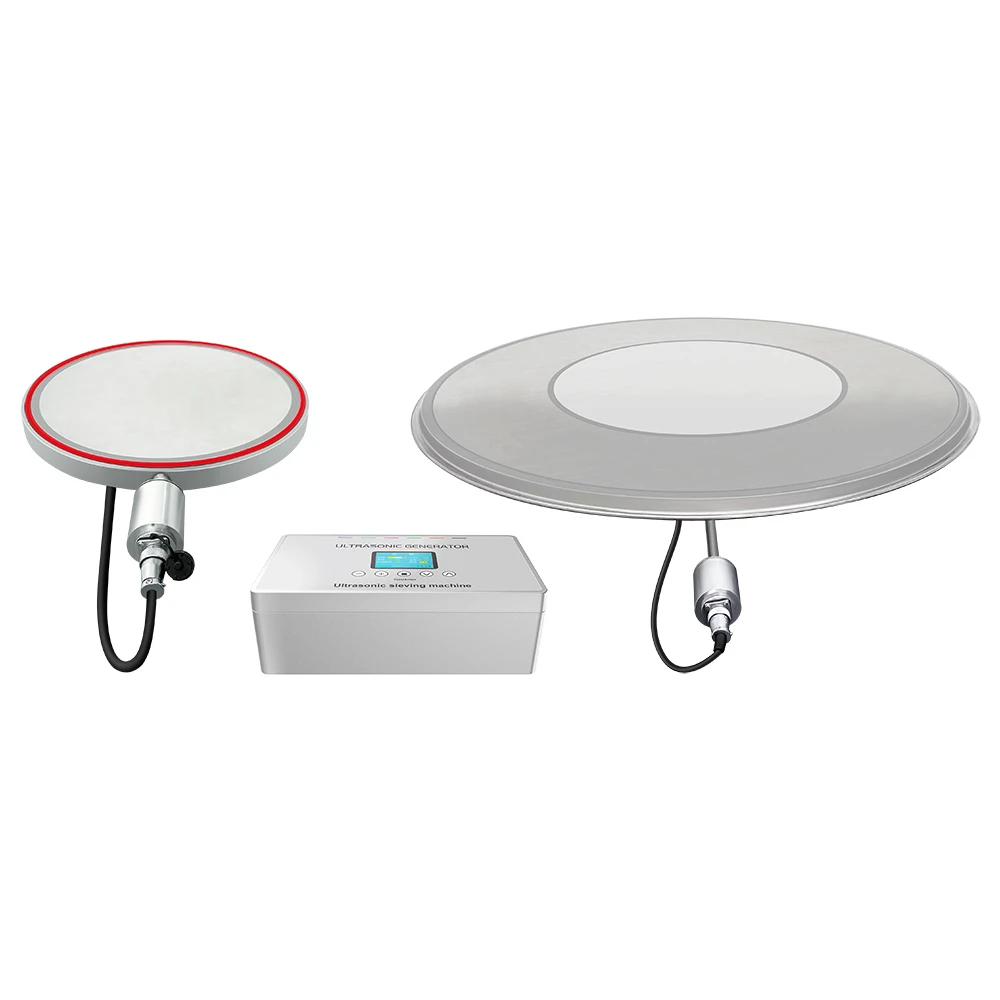
An ultrasonic vibrating sieve is an advanced version of the rotary sieve. It integrates an ultrasonic system onto the standard vibrating screen. This system introduces a low-amplitude, high-frequency mechanical wave directly onto the screen mesh. The high-frequency vibration keeps fine particles suspended on the screen surface, effectively preventing issues like adhesion, friction, wedging, and blinding.
2. Anti-Clogging Performance
Ultrasonic vibrating sieves use high-frequency ultrasonic pulses to continuously clean the mesh. This results in high screening efficiency, no mesh blocking, and superior screening accuracy. Standard rotary vibrating sieves do not have this automatic self-cleaning function.
3. Suitable Materials
Rotary vibrating sieves are ideal for screening coarser materials, such as soybean dregs separation or flour impurity removal. However, they often struggle with sticky, static-prone, or very fine powders, which can lead to mesh blinding and poor material flow.
Ultrasonic vibrating sieves are specifically designed to solve these problems. By incorporating the ultrasonic system, they are perfect for screening fine and ultra-fine powders. The mechanical energy generated by the ultrasound also prevents particles from agglomerating on the mesh. This technology enables effective screening of materials up to 500 mesh or finer, meeting a wider range of customer requirements.