


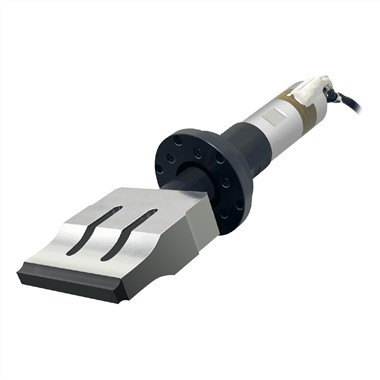

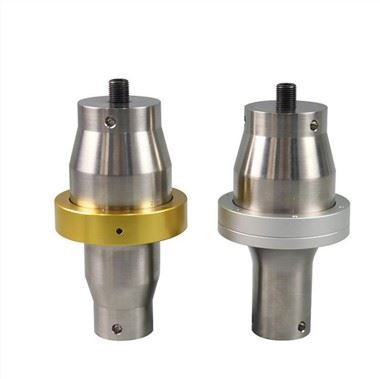
product key technologies

01.
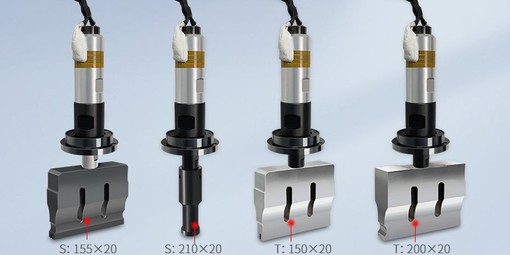
Titanium Ultrasonic Horn;Steel Ultrasonic Horn;Aluminum Ultrasonic Horn
Feature
◆ High efficiency: high mechanical quality factor, extremely high electro-acoustic conversion efficiency can be obtained at the working resonant frequency.
◆ Large amplitude: The structure optimized by computer design has high vibration ratio and large amplitude of the front cover.
◆High power: Under the action of screw prestress, the energy of piezoelectric ceramics is maximized.
◆ Heat resistance: large resonant impedance, low heat generation, and wide operating temperature range.
02.
Professional Ultrasonic Horn & Ultrasonic Transducers Manufacturer
20khz Ultrasonic Horn is the most popular used type, the horn size is customized according to the clients's requirements. Square or round types are all ok.
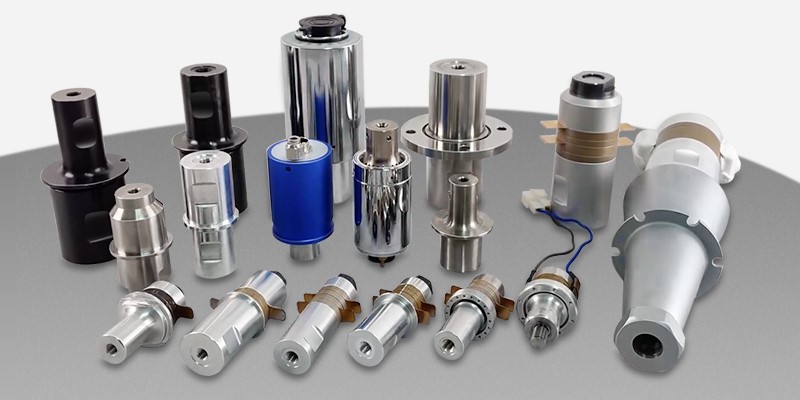
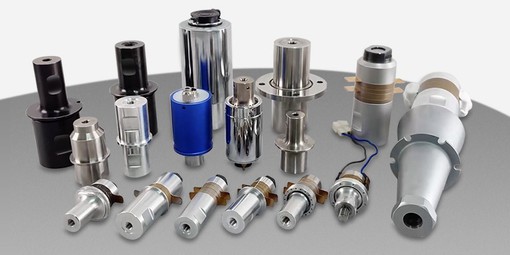
types of Ultrasonic Horn
Welcome to customize with your own drawings
- Ultrasonic Horn Tool Head: From Professional to Excellent
As a professional manufacturer of ultrasonic horn heads, we are committed to providing high-quality welding heads to meet your needs in various complex machining environments.
Ultrasonic welding mold, commonly known as ultrasonic horn (ultrasonic welding head), consists of two parts: upper and lower molds. The mechanical vibration of ultrasonic waves is amplified by an amplifier and transmitted to the welding head. The shape and size of the welding head depend on the surface of the workpiece, and the welding head is fixed at the lower end of the amplifier using a threaded connection method. Different products have different welding requirements, so the design requirements for the welding head are different.
1. Firstly, determine the welding requirements of the product, determine the service life and wear rate of the ultrasonic mold, and select appropriate metal materials based on these requirements.
2. Secondly, there are requirements for shape, as well as the choice of fusion welding process, the size of ultrasonic mold, pressure transmission area, power size, whether welding will cause product deformation, and whether one-time perfect welding can be achieved.
3. The selection of materials for one's own product should be targeted, which determines the amplitude of the mold and should accept the form, size, and position of ultrasonic energy conduction lines. How to design contact positions for different plastic combinations needs to be considered.
4. It is best for ultrasonic fixtures to surround the bottom and surrounding areas of the product to be welded, providing good support and avoiding displacement of plastic parts due to vibration waves during the welding process;
5. The contact surface shape of the ultrasonic fixture itself should be perfectly aligned with the surface of the product to avoid damage to the appearance of the finished product after fusion due to gaps between two welded parts. To facilitate the retrieval and placement of parts, 10 wires can be reserved;
6. To extend the service life of ultrasonic fixtures and avoid damage to the appearance of finished products, it is best for the bottom fixture to be polished.
The ultrasonic horn belongs to electronic molds, which are different from plastic molds or other mechanical molds. The parameters need to be matched with the machine. Please contact our Shenzhen Jiayuanda Technology professional ultrasonic plastic welding factory for production.
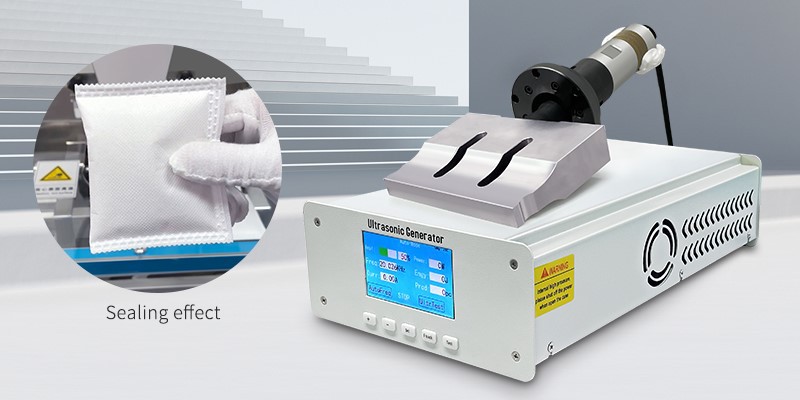


- The core advantages of ultrasonic horn
Super durability: Through precise welding treatment, our welding heads have excellent wear resistance and impact resistance. Stable performance can still be maintained during long-term high-strength processing, greatly extending its service life.
Efficient processing capability: Our ultrasonic tool heads undergo heat treatment on the steel molds before shipment, and hard oxidation treatment on the aluminum molds of the paper cup machine. Whether it is rough machining or precision machining, our ultrasonic welding tool heads can ensure excellent processing results.
Accurate consistency: Through the uniform vibration of ultrasonic waves, the welding force of the tool head is more stable, reducing the roughness of the workpiece surface, and making the processed products have higher accuracy and consistency.
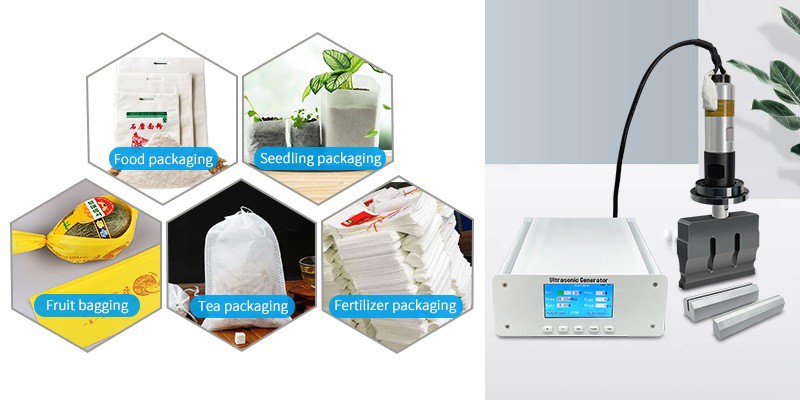
Widely applicable fields: Whether it is plastic or non-woven fabric welding applications, our ultrasonic horn can handle both.

Company profile
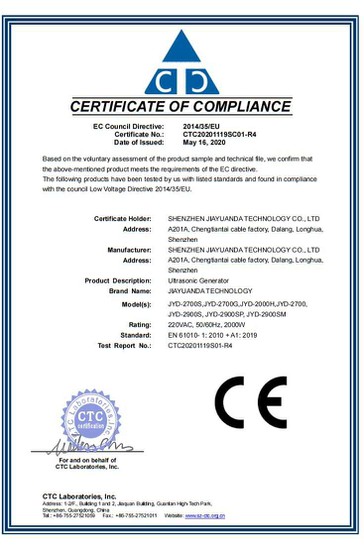
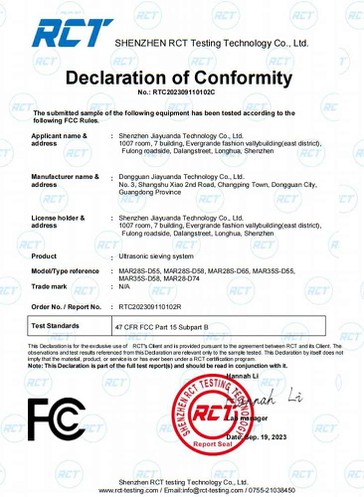
JYD is a national high-tech enterprise specializing in the research and development of ultrasonic technology. The main products include ultrasonic generators, ultrasonic transducers, ultrasonic horn, ultrasonic lace machines, ultrasonic cutting machines and other ultrasonic machinery. Our products are mainly used in ultrasonic cleaning, ultrasonic welding, ultrasonic cutting and other customized ultrasonic applications. All our products have passed CE/FCC/ROHS certification. From core components, product strategy to supplier management, the JYD team is meticulous, pursues excellent quality, and focuses on creating products that are simple to operate, easy to maintain, affordable, and reliable in quality, bringing you a pleasant product experience.
Our Certificate


FAQ
Q: What material is ultrasonic horn?
A: There are many materials for making ultrasonic welding joints, including aluminum alloy, titanium alloy, etc. Ultrasonic welding heads, also known as ultrasonic molds, have two types of tool heads: those with amplitude amplification and those without amplitude amplification. The acoustic system tool head used in plastic welding machines is usually made of aluminum alloy, with its end face coated with hard alloy. When the power is high, it is also made of titanium alloy material, which has a fatigue strength more than twice that of aluminum alloy. The ultrasonic welding head ultrasonic mold is used in conjunction with ultrasonic plastic welding machines, with the aim of welding plastic products. Ultrasonic plastic welding machines have different welding sizes and specifications due to different usage scenarios and welding materials. Its output power comes from manual welding. Ultrasonic waves are used in different situations and welding materials, with different welding sizes and specifications. Different welding objects require different tool heads. Whether it is near-field welding or transmission welding, only a half wavelength tool head can achieve the maximum amplitude of the welding end face. There are two types of tool heads: those with amplitude amplification and those without amplitude amplification.
Q: How to heat treat ultrasonic horn?
A: This depends on the environment and medium in which ultrasound is used for contact Ultrasonic mold (tool head) is a general term for all ultrasonic emission ends, and its function is to couple the ultrasonic waves generated by the transducer into the processed object. Because it needs to transmit ultrasonic waves, the mold must also work in a resonant state, that is, its natural resonant frequency must match the oscillator. Secondly, the amplitude should be uniform, and the shape of the end face should adapt to the shape of the welded tool. 1. Frequency range: 15KHz -100KHz 2. Materials: Alloy steel, aluminum alloy, titanium alloy, stainless steel. 3. Hardness: Maximum HRC62 ° 4. Working medium: solid, liquid, liquid metal, etc. 5. Surface treatment: blackening, polishing, chrome plating.
Q: What is the effect of the shape of the ultrasonic horn on transmission?
A: Changed the direction of vibration transmission. The direction of vibration transmission has been changed, making the radiation sound intensity more uniform and improving the flexibility of tool head use. It can be applied to ultrasonic welding with some cross-sections similar to circular surfaces, and can also be used as a variable amplitude pole.
Q: Can ultrasonic horn only be welded up and down?
A: Ultrasonic welding molds can not only be welded up and down, but also perform flat welding and side welding. The design of ultrasonic welding molds depends on the welding object, whether it is near-field welding or transmission welding, only a half wavelength tool head can achieve the maximum amplitude of the welding end face. There are two types of tool heads: those with amplitude amplification and those without amplitude amplification. The acoustic system tool head used in plastic welding machines is usually made of aluminum alloy, with its end face coated with hard alloy. When the power is high, it is also made of titanium alloy material, which has a fatigue strength more than twice that of aluminum alloy.
Q: Will high temperature of ultrasonic welding hron affect power factor?
A: Yes. 1. When the temperature of the welding joint is too high, the material inside the welding joint will experience phenomena such as grain growth and disappearance of grain boundaries, which will lead to changes in the metal structure in the weld seam, resulting in a decrease in the conductivity of the welding joint and a decrease in power factor. 2. Excessive temperature of the welding joint can also lead to thermal expansion, reducing the contact area between the welding joint and the substrate, resulting in a decrease in welding quality and a decrease in power factor. Therefore, when the temperature of the ultrasonic welding joint is too high, it will cause changes in the microstructure of the welding joint material, thereby affecting the welding quality and power factors.
Q: How to replace the ultrasonic welding machine's ultrasonic horn?
A: Ultrasonic Horn is an important component of ultrasonic welding machine and is the key to welding and forming plastic workpieces. During the welding process, different molds should be used according to different welding requirements. After long-term use, the mold itself will experience a certain degree of wear and affect the welding effect, so a new mold needs to be replaced. If the correct method is needed to replace the mold, the welding of the replaced mold will result in poor product quality and affect the efficiency of the enterprise. (1) First, turn on the working air pressure source of the ultrasonic equipment to ensure that the pressure gauge of the equipment is functioning properly. (2) Use specialized tools to remove the original welding mold from the equipment and install the ultrasonic mold that needs to be welded to the product (clockwise is loose, remember to tighten it). Be sure to tighten the screws of the mold first. (3) Connect the power to the ultrasonic welding machine, turn on the start button, wait for five seconds, turn off the power, then press the sound detection button on the controller, and hear the machine emit ultrasound (the sound should be clear, without hoarse or excessive noise). If the sound is hoarse or screaming, the ultrasonic Horn must be checked for cracks or looseness, and countermeasures must be taken. (4) Loosen the two fastening handles behind the power rack and shake the machine head up to a certain height. (Based on product height) (5) Turn off the air source and put the equipment in a static state without power. (Adjust the air pressure controller to zero) (6) Place the products that need to be welded on the bottom mold and ensure that the mold is closed. (7) Pull down the entire mold vibration cylinder to bring the upper mold closer to the bottom mold, shake the machine head lifting device to press the upper mold onto the product, and keep the product in line with the upper and lower molds. (8) Increase the air pressure to 0.1mpa, turn the selection switch to manual, press the two green start buttons to lower the mold and press down on the product. (9) Shake the elevator to maintain a distance of 1mm between the limit screw and the vibration cylinder. (Add or subtract products to be welded as needed) (10) Tighten the frame fastening handle, secure the bottom mold, press the red emergency stop button to raise the machine head. (11) Connect the power, start the switch and debug the machine to see if the mold is working properly and how the welding effect is. (12) Select automatic switch fluctuation, adjust the welding parameters and time of the product, and prepare for production. (13) In daily use, pay attention to the maintenance and upkeep of the ultrasonic Horn.
Q: Can the ultrasonic horn of the ultrasonic welding machine be customized? How is it customized?
A: Ultrasonic fixture, commonly known as ultrasonic horn, consists of two parts: upper and lower ultrasonic Horn. The mechanical vibration of ultrasonic waves is amplified by an amplifier and transmitted to the welding head. The shape and size of the welding head depend on the surface of the workpiece, and the welding head is fixed at the lower end of the amplifier using a threaded connection method. Different products have different welding requirements, so the design requirements for the welding head are different. 1. Firstly, determine the welding requirements of the product, determine the service life and wear rate of the ultrasonic mold, and select appropriate metal materials based on these requirements. 2. Secondly, there are requirements for shape, as well as the choice of fusion welding process, the size of ultrasonic horn, pressure transmission area, power size, whether welding will cause product deformation, and whether one-time perfect welding can be achieved. 3. The selection of materials for one's own product should be targeted, which determines the amplitude of the mold and should accept the form, size, and position of ultrasonic energy conduction lines. How to design contact positions for different plastic combinations needs to be considered. 4. It is best for ultrasonic fixtures to surround the bottom and surrounding areas of the product to be welded, providing good support and avoiding displacement of plastic parts due to vibration waves during the welding process; 5. The contact surface shape of the ultrasonic fixture itself should be perfectly aligned with the surface of the product to avoid damage to the appearance of the finished product after fusion due to gaps between two welded parts. To facilitate the retrieval and placement of parts, 10 wires can be reserved; 6. To extend the service life of ultrasonic fixtures and avoid damage to the appearance of finished products, it is best for the bottom fixture to be polished. The welding head belongs to electronic molds, which are different from plastic molds or other mechanical molds. The parameters need to be matched with the machine. Please find a professional ultrasonic plastic welding factory to make it.
Q: What material is better for the ultrasonic horn of an ultrasonic welding machine?
A: The welding heads of ultrasonic welding machines generally include titanium alloy, steel alloy, aluminum alloy, etc. The welding heads made of titanium alloy are relatively good
Q: Service life of ultrasonic horn for ultrasonic welding machine
A: Over 3 months
Q: What's wrong with the paper cup machine not sticking paper with ultrasonic waves?
A: There are three reasons: 1. The ultrasonic generator is not driving, 2. The ultrasonic oscillator is damaged, and 3. The ultrasonic horn mold is not matching. These three situations all exist during the production process. If your device has been used for a long time, I guess the third scenario is the most likely, where the wear and tear of the welding joint causes a mismatch. Although it can be welded, it gradually changes from weak adhesion to poor adhesion.
Q: How to repair paper cup machines with ultrasonic waves constantly burning thyristors?
A: 1. Replace the transistor and try to make its parameters consistent with other transistors. 2. Check the ultrasonic transducer and amplitude lever (also known as the amplitude modulation lever) to see if they are damaged. The main focus is on whether there are cracks in the metal blocks and whether there are cracks or misalignment in the piezoelectric ceramic sheets of the transducer. 3. Check if the connection between the transducer and the amplitude lever is tight, and if it is loose, use tools to tighten it. 4. When testing ultrasound, it is necessary to connect the ultrasonic transducer to the amplitude lever, and there is no need to install a ultrasonic horn. When pressing the test switch, it should be released with just one press, and the time should be controlled within 1 second. Observe the range of the amplitude meter pointer and then perform frequency modulation.
