Analysis of the reasons why ultrasonic metal welding machines cannot weld metal workpieces that are too thick
Jan 07, 2024
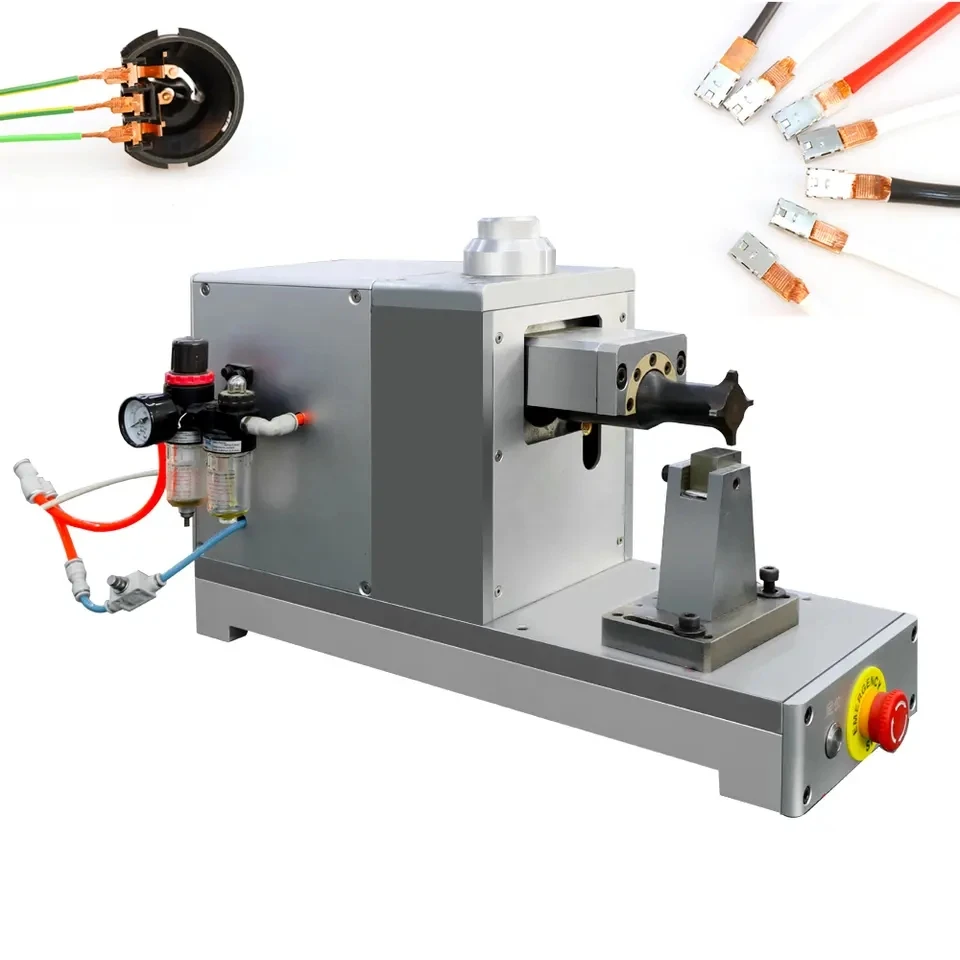
Ultrasonic metal welding machine is a mechanical equipment that can be used for welding non-ferrous metals such as nickel, tin, and aluminum. As a welding equipment, there are thickness requirements for welding, which means that regardless of the type of ultrasonic metal welding machine, there is a welding thickness range. Under normal circumstances, the maximum welding thickness of copper plate is 4mm, the maximum welding thickness of copper wire bundle is 8mm, and the total welding area does not exceed 100mm. Within this range, any suitable metal workpiece can be welded according to welding requirements. Once it exceeds the thickness range, although welding can still be carried out, the welding effect will be greatly reduced. Not only will the visual effect be reduced, but the welding quality and firmness will also be relatively low.
The ultrasonic metal welding machine uses ultrasonic waves as the core technology. During the welding process, ultrasonic waves are mainly used to act on the metal workpiece, achieving the purpose of welding. In this process, there is a clear difference from other welding methods: ultrasonic metal welding does not require additional current supply. In addition, due to the time period of welding, the static load is smaller than that of pressure welding, and the welding temperature is low enough to cause plastic deformation of the soft metal.