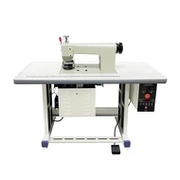
Important Notes for Ultrasound‑Assisted Extraction of Alkaloids
Aug 06, 2026
1.Temperature control: Ultrasonic cavitation creates local hot‑spots. Most alkaloids are heat‑sensitive. Keep temperature ≤60 °C, ≤45 °C for thermolabile species. Avoid temperature over‑shoot during sonication. Probe‑type sonicator needs interval operation to prevent overheating.
2. Power & duration: Do not use excessive power or over‑long sonication time. High power generates free radicals, degrading alkaloids and co‑extracting large amounts of impurities. Recommended range: 200‑400 W, 20‑40 min.
3. pH and solvent: Acid condition dissolves alkaloid salts. Adjust pH to 9‑11 with ammonia water for free‑alkaloid release. Avoid strong excessive alkaline environment which may destroy target compounds. Handle volatile organic solvents inside a fume hood.
4. Sample preparation: Dry raw materials at 40‑55 °C. Grind to 40‑60 mesh. Defat samples with high lipid content.
5. Light protection: Alkaloids are photo‑oxidizable. Use brown vessels and avoid direct light during extraction and storage.
6. Instrument tips: For bath sonication, keep sample liquid level lower than bath water level. For probe sonication, prevent probe touching vessel walls. Cool extracts to room temperature before filtration or centrifugation. Re‑extract residues 1‑2 times for better recovery.
7. Post‑treatment: Crude extract contains polysaccharides, pigments and tannins. Further purification by liquid‑liquid extraction, macroporous resin or MCX‑SPE is required.